
Hakodate Guide: Night View, Goryokaku and How Many Days
Is Hakodate worth a stop? What to see, Mt. Hakodate Ropeway and Goryokaku Tower hours, how many nights to stay, and how to get there from Tokyo or Sapporo.
Advertising: this article contains affiliate links. We may earn a commission at no extra cost to you.
Every figure is checked against the sources listed below. See sources
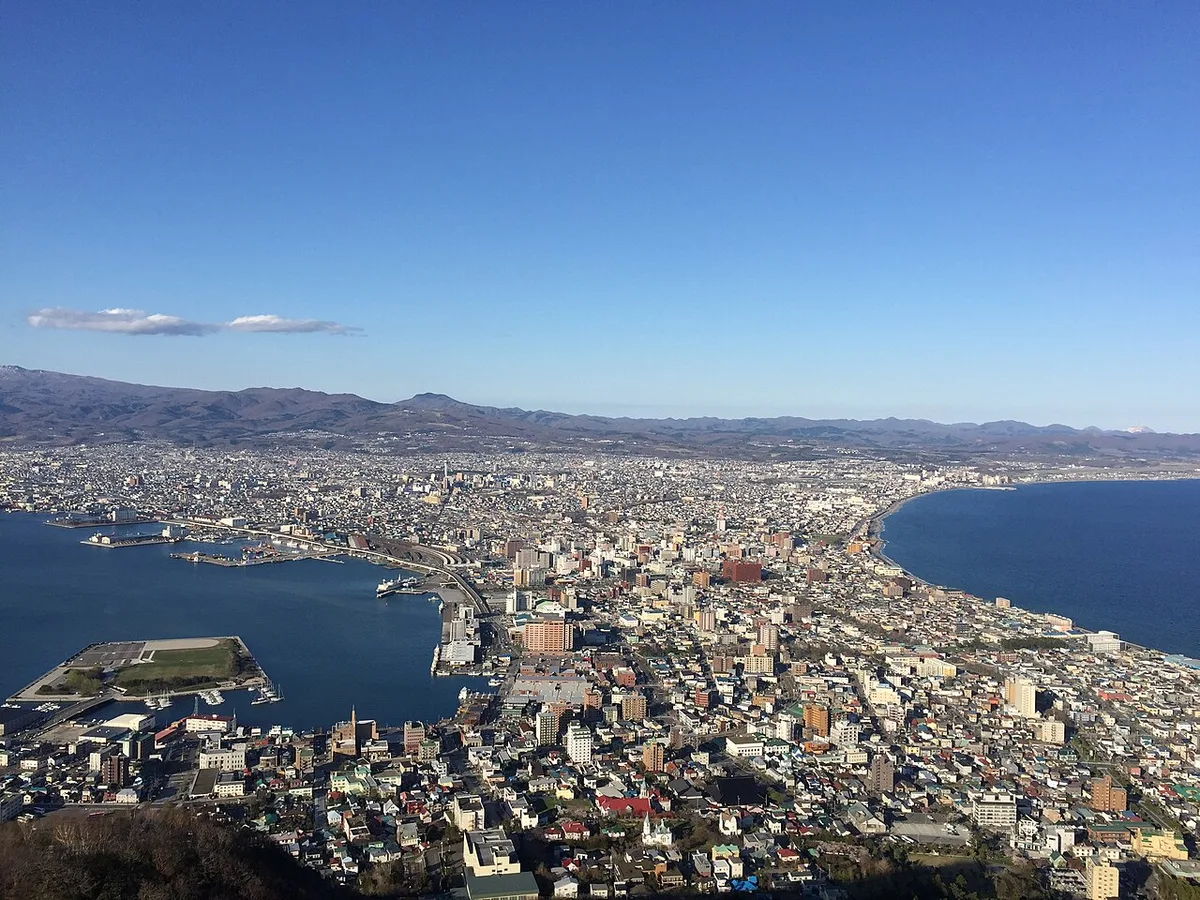

Hakodate (函館) is a port city at the southern tip of Hokkaido and the first stop in Hokkaido on the Shinkansen. It is known for the night view from Mt. Hakodate, the star-shaped Goryokaku fort, the old Western-style streets of Motomachi and a seafood morning market. It suits you if you are travelling north from Tohoku by rail, or want a taste of Hokkaido without driving. If you are flying into Sapporo for a short winter trip, you can skip it: it is a long train ride from Sapporo. Coming from Tokyo, the Tokyo to Hakodate train or plane comparison weighs the Shinkansen against a flight door to door.
Key facts
- Worth it for: rail travellers between Tohoku and Hokkaido, and repeat visitors who want a compact, walkable city.
- Time needed: 1 to 2 nights; stay at least one evening for the night view.
- Mt. Hakodate Ropeway: ¥1,800 round trip for adults.[1]
- Last ride up the ropeway: 20:30 from October 1 to April 19, 21:30 in summer.[1]
- Ropeway closed for inspection: October 20 to November 8, 2026.[2],[3]
- Nearest station: JR Hakodate Station; Shinkansen trains stop at Shin-Hakodate-Hokuto, a 20-minute ride away on the Hakodate Liner.[7]
Mt. Hakodate: when should I go up for the night view?
Go up shortly before sunset and stay until the city lights are on. The ropeway operator says the view is best about 30 minutes after sunset.[1] That makes an evening in Hakodate the one fixed point of any visit, and the main reason to stay the night rather than pass through.
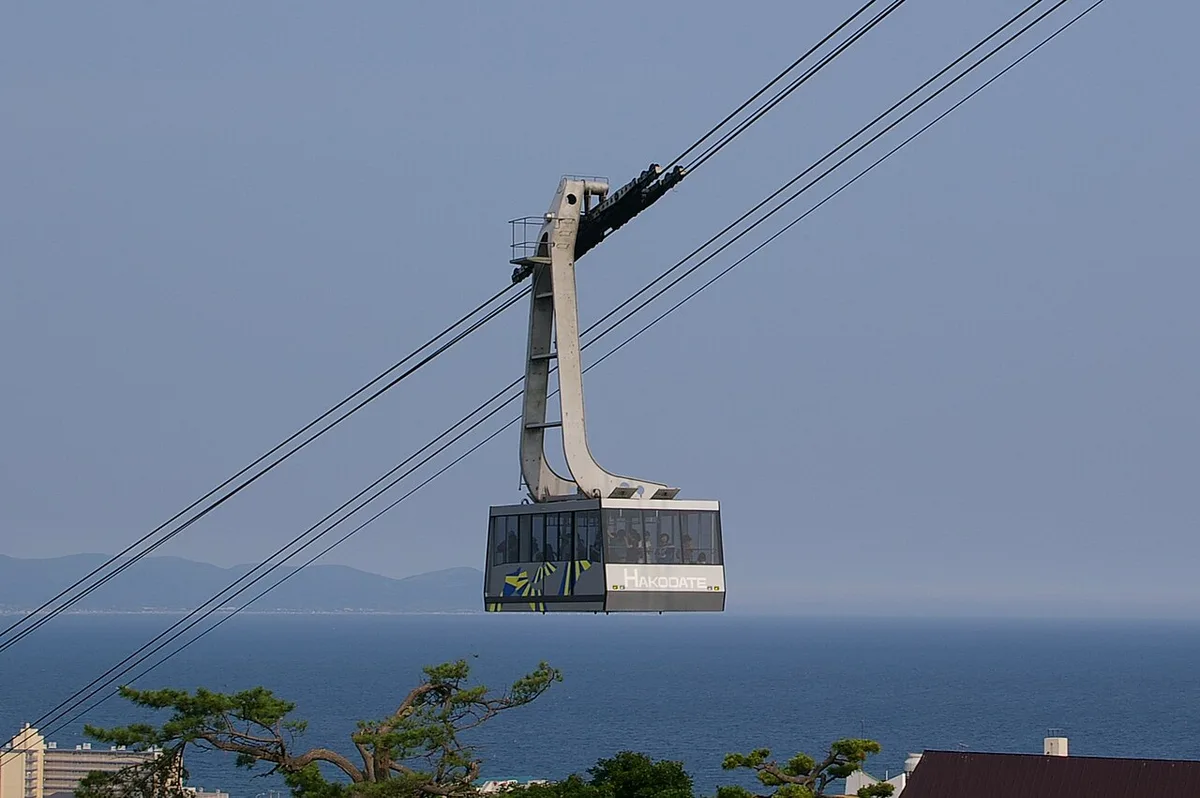

The ropeway is the usual way up. It runs from 10:00; from October 1 to April 19 the last ride up is at 20:30 and the last ride down at 21:00, and from April 20 to September 30 they are at 21:30 and 22:00.[1] The operator notes that hours can change with the weather. To reach the base station, take the tram to Jujigai and walk up a steep street for about ten minutes, or take the ropeway shuttle bus from Hakodate Station.
There are two other ways up. The Mount Hakodate Climbing Bus (Route 1) runs from the Hakodate Station Bus Terminal to the summit for 700 yen one way, about 30 minutes without traffic.[3] If you drive, the mountain road is closed to private and rental cars during the evening viewing hours, and closed completely in winter.[3]
What time is sunset in Hakodate?
Sunset moves by more than three hours over the year, so check it before you fix your evening. These are the times calculated by the National Astronomical Observatory of Japan for central Hakodate on the 15th of each month in 2026; the times on other days of the month are close to them.
| Month (15th) | Sunset | Month (15th) | Sunset |
|---|---|---|---|
| January | 16:31 | July | 19:11 |
| February | 17:10 | August | 18:38 |
| March | 17:43 | September | 17:47 |
| April | 18:17 | October | 16:57 |
| May | 18:50 | November | 16:17 |
| June | 19:14 | December | 16:07 |
January to June[11] and July to December[11] as calculated by NAOJ. Add about 30 minutes for the best view.[1] In every month that moment comes before the last ride up, 21:30 in summer and 20:30 from October 1,[1] so the ropeway hours are not the limit; the queue is.
How early should I get to the ropeway at sunset?
Arrive at the base station before sunset, not at the moment you want to be on the summit. The ropeway leaves every 15 minutes, every 5-10 minutes at rush hours, and the ride itself takes 3 minutes in a 125-person gondola.[3] The queue, not the ride, is what costs time around sunset.
The City of Hakodate publishes a congestion forecast for the night-view hours, from A (least crowded) to E (most crowded), and it rises by one level on weekends.[3] For levels A to D it falls by one level for each hour after sunset,[3] so if you cannot be early, going up an hour or more after sunset is the other way to avoid the worst of the line. The forecast and the current summit status are on the city’s Mt. Hakodate access page.
If you are carrying bags, the base station has coin lockers, usable from 10:00am to 10:00pm from April 25 to October 15 and until 9:00pm from October 16 to April 24.[12]
How do I get up Mt. Hakodate in winter?
By ropeway, or on foot. During the winter road closure from November 9, 2026 to April 12, 2027, the City of Hakodate lists only the ropeway and hiking as ways up; the Climbing Bus, taxis, tourist buses and cars cannot use the mountain road.[3] If the ropeway stops for weather, there is no road alternative that evening, so keep a second evening free if the night view is the reason for your trip.
Goryokaku: is the tower worth going up?
Yes, if you want to understand what you are looking at. Goryokaku is a star-shaped fort whose shape is hard to read from the ground; from the second-floor observation deck of Goryokaku Tower you see the whole star at once, with Mt. Hakodate and the bay behind it.
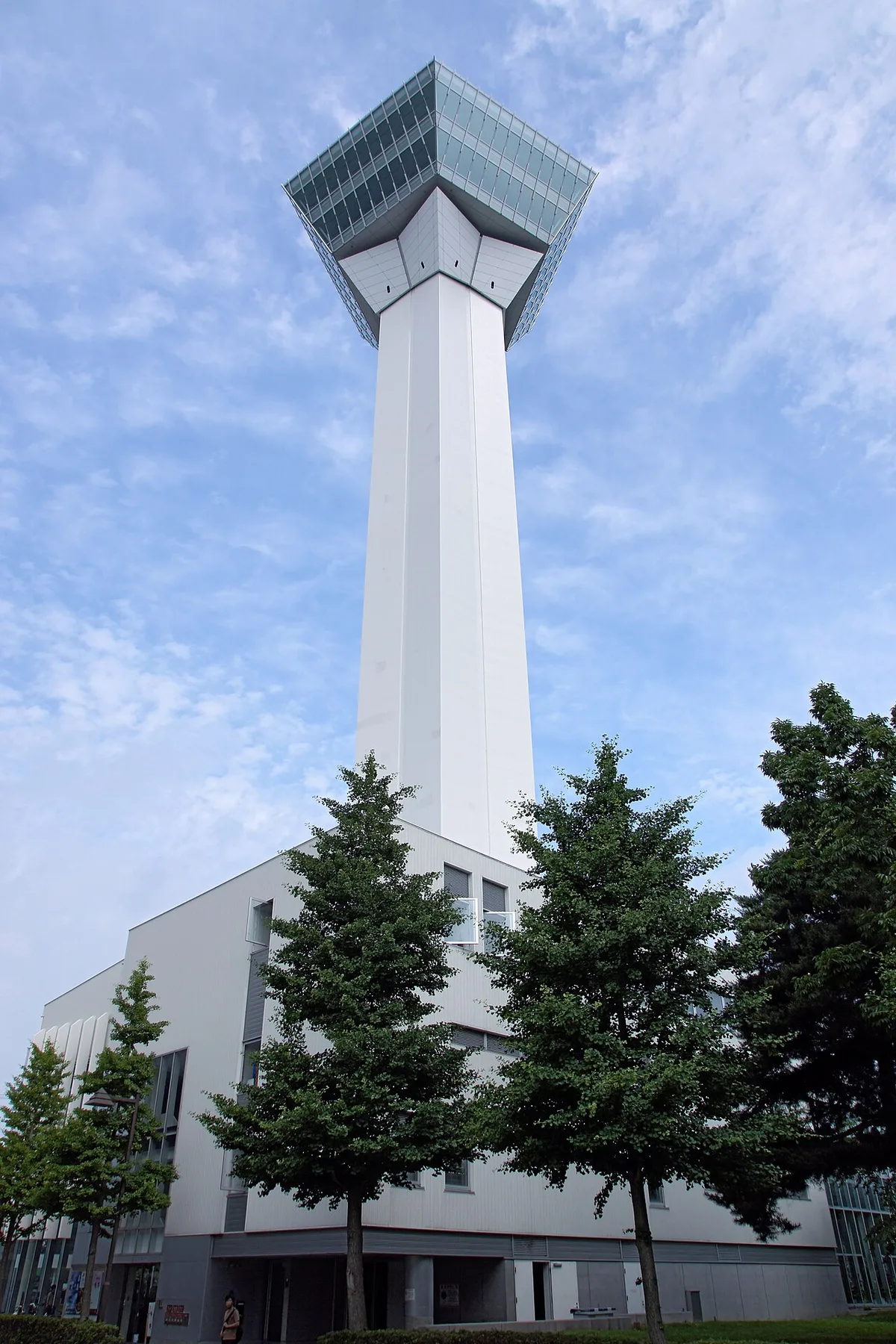

Admission to the tower is 1,200 yen for adults, with lower prices for students and free entry for children under elementary school age.[4] Opening hours are 9:00–18:00, open seven days a week (last admission 17:50). From Hakodate Station, take the tram: Goryokaku-koen-mae tram stop, then about 10 minutes on foot. Do not take the JR train to Goryokaku Station: the City of Hakodate notes that the park is far from it.
Motomachi and the Bay Area: what is there?
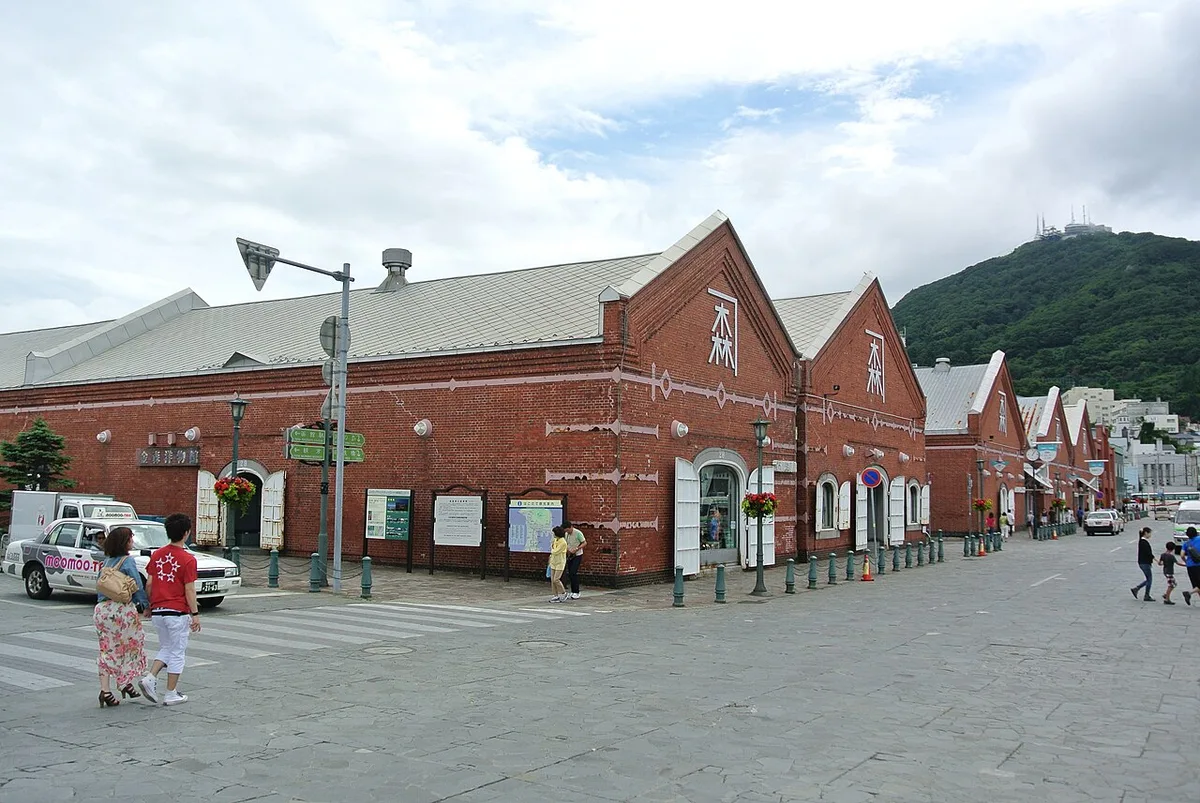
Motomachi (元町) sits on the slopes at the foot of Mt. Hakodate. Hakodate was the first city in Hokkaido to open a port, and many international residents once lived in Motomachi, so its hilly, stone-paved streets mix Japanese and Western influences. Below it, the Bay Area along the harbor has old red-brick warehouses, such as the Kanemori Red Brick Warehouse, now used as shops and restaurants. Both are walking areas with no fees; combine them with the ropeway, since the base station is on the same slope.

Hakodate Morning Market: is it worth getting up early?
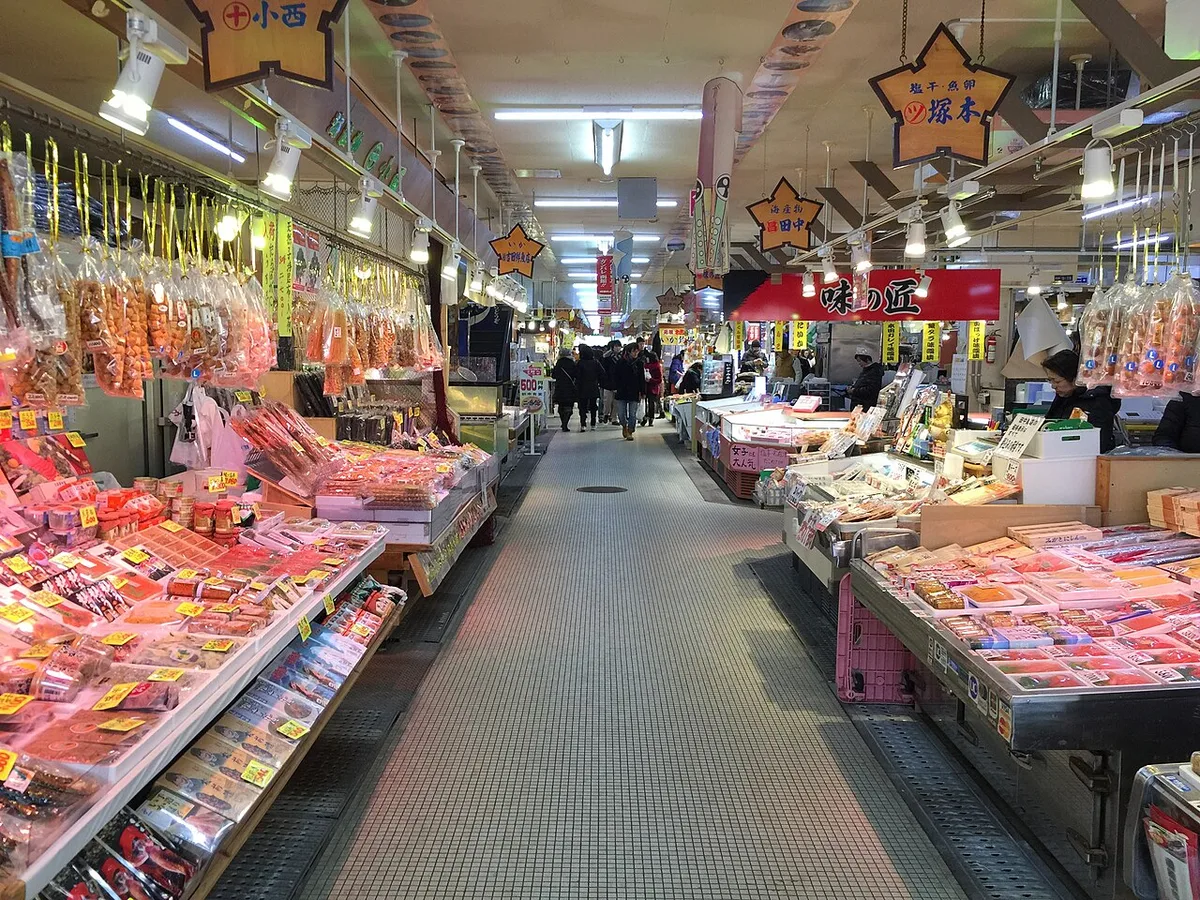
Yes, if you like seafood for breakfast. The Hakodate Morning Market is just a minute on foot from JR Hakodate Station,[8] so it fits easily before a morning train. Next to it, Donburi Yokocho is an alley of small eateries serving seafood rice bowls.

How much does it cost and when is it open?
Places
Mt. Hakodate Ropeway
- Hours
- April 20 to September 30: first departure 10:00, last ride up 21:30, last ride down 22:00; October 1 to April 19: first departure 10:00, last ride up 20:30, last ride down 21:00
- Fee
- ¥1,800Adult round trip 1,800 yen, one way 1,200 yen; child round trip 900 yen, one way 600 yen; children up to 2 ride free
- Closed On
- Suspended for the legally required inspection from October 20 to November 8, 2026; operating hours may change with the weather
- Nearest Station
- Jujigai tram stop, then a steep walk of about ten minutes to the base station
- Time Needed
- About an hour
The adult fare is ¥1,800 round trip and ¥1,200 one way; children pay ¥900 round trip and ¥600 one way.[1] In 2026, the ropeway stops for its legally required inspection from October 20 to November 8.[2],[3] During that period, the Climbing Bus is the easiest way up for the night view.
Places
Goryokaku Tower
- Hours
- 9:00–18:00, open seven days a week (last admission 17:50)
- Fee
- ¥1,200Adults 1,200 yen; junior high and high school students 900 yen; elementary school students 600 yen; children under elementary school age free
- Nearest Station
- Goryokaku-koen-mae tram stop, then about 10 minutes on foot
- Time Needed
- About an hour
How do I get there?
From Tokyo, take the Tohoku and Hokkaido Shinkansen (Hayabusa) to Shin-Hakodate-Hokuto, then change to the Hakodate Liner for Hakodate Station. The whole journey takes from about 4 h 30 min.[6] The Hakodate Liner costs 440 yen one way and runs to match the Shinkansen, so you rarely wait long.[7] To break the journey in Tohoku, the Hiraizumi guide covers a stop on the same Shinkansen line.
From Sapporo, the JR Limited Express Hokuto takes about 3 h 30 min to Hakodate Station, and all seats are reserved, so get a seat reservation before you board.[6],[10] Whether a rail pass covers these trains depends on the pass; the next section sorts it out. To weigh the Hokuto against the highway bus and flights, see Hakodate to Sapporo by train, bus or plane.
Which rail passes cover the Shinkansen and the Hokuto?
It depends on where your trip starts.
- Japan Rail Pass: valid on all JR Group railways, including the Shinkansen except Nozomi and Mizuho, and limited express, rapid and local trains, with some exceptions.[13] The Hayabusa from Tokyo and the Limited Express Hokuto from Sapporo are not among the excluded trains. See our Japan Rail Pass review for prices and whether it pays off.
- Hokkaido Rail Pass (JR Hokkaido): unlimited rides on all JR Hokkaido lines, including reserved seats on limited express trains such as the Hokuto, but not on the Hokkaido Shinkansen.[14] It suits a trip that starts in Sapporo; arriving from Tokyo, you still pay for the Shinkansen.
Either way, the Hokuto has reserved seats only, so get your seat reservation before boarding.[6],[10] For a trip based in Sapporo, the Hokkaido Rail Pass review works out whether that pass pays off.
How do I get around Hakodate?
By tram. The city tram reaches most of the sights in this guide, including Hakodate Station, Motomachi, the Bay Area, Goryokaku and the Yunokawa Onsen district.[7] A 1-Day Tram Pass costs 800 yen for adults and 400 yen for children, and a 24-Hour Tram Pass sold online costs 1,130 yen for adults.[7] If you already carry Suica, PASMO or Kitaca, it works on Hakodate trams and buses too.[7]
Where should I stay?
Choose by what you will do in the evening and the next morning.
- Hakodate Station area: the practical choice for one night. Trains and the Climbing Bus leave from here, and the morning market is next door.
- Bay Area and Motomachi: closest to the ropeway and the harbor at night, and pleasant for walking back after the night view.
- Yunokawa Onsen: an onsen district on the tram line. It has many places to stay, including ryokan and modern hotels, and the City of Hakodate suggests a room with a private open-air bath if you have tattoos.[8] Read the onsen etiquette and tattoo rules before you go.
For tram times from each area, winter walking and the lodging tax, see where to stay in Hakodate, area by area.
For a second night, Yunokawa gives the trip a different pace: sights by day, onsen in the evening.
Tips
FAQ
Frequently asked questions
How many days do I need in Hakodate?
Plan for 1 to 2 nights; stay at least one evening for the night view. One full day covers Goryokaku, Motomachi and the Bay Area, and the evening goes to Mt. Hakodate; a second night lets you add Yunokawa Onsen or a slower morning at the market.
Can I visit Hakodate as a day trip from Sapporo?
Can I drive up Mt. Hakodate?
Not in the evening viewing hours, and not in winter. Private and rental cars are kept off the mountain road in the evening from April to early November, and the road closes for winter.[3] For licence and rental rules, see driving in Japan as a visitor.
Can I use my IC card in Hakodate?
Yes. Suica, PASMO and Kitaca work on Hakodate trams and Hakodate buses.[7]
Where can I leave my luggage in Hakodate?
Sources
- Business Hours and Fares (Mt. Hakodate Ropeway) (checked )
- 函館山ロープウェイ (Mt. Hakodate Ropeway, Japanese) (checked )
- Access to Mount Hakodate (Travel Hakodate, City of Hakodate) (checked )
- Rates & Hours (Goryokaku Tower) (checked )
- Access (Goryokaku Tower) (checked )
- Access to Hakodate (Travel Hakodate, City of Hakodate) (checked )
- Transportation (Travel Hakodate, City of Hakodate) (checked )
- Top 7 sights (Travel Hakodate, City of Hakodate) (checked )
- Accommodation (Travel Hakodate, City of Hakodate) (checked )
- Trains bound for Hakodate (JR Hokkaido) (checked )
- こよみの計算: 日の出入り, Hakodate 2026 (NAOJ) (checked )
- Luggage (Travel Hakodate, City of Hakodate) (checked )
- Scope of validity (JAPAN RAIL PASS) (checked )
- What is the Hokkaido Rail Pass? (JR Hokkaido) (checked )