
How to stay at a ryokan: check-in, meals, baths, booking
What a ryokan stay includes, from check-in and yukata to dinner times, baths and futons, how per-person pricing works, and where to book directly.
Advertising: this article contains affiliate links. We may earn a commission at no extra cost to you.
Every figure is checked against the sources listed below. See sources
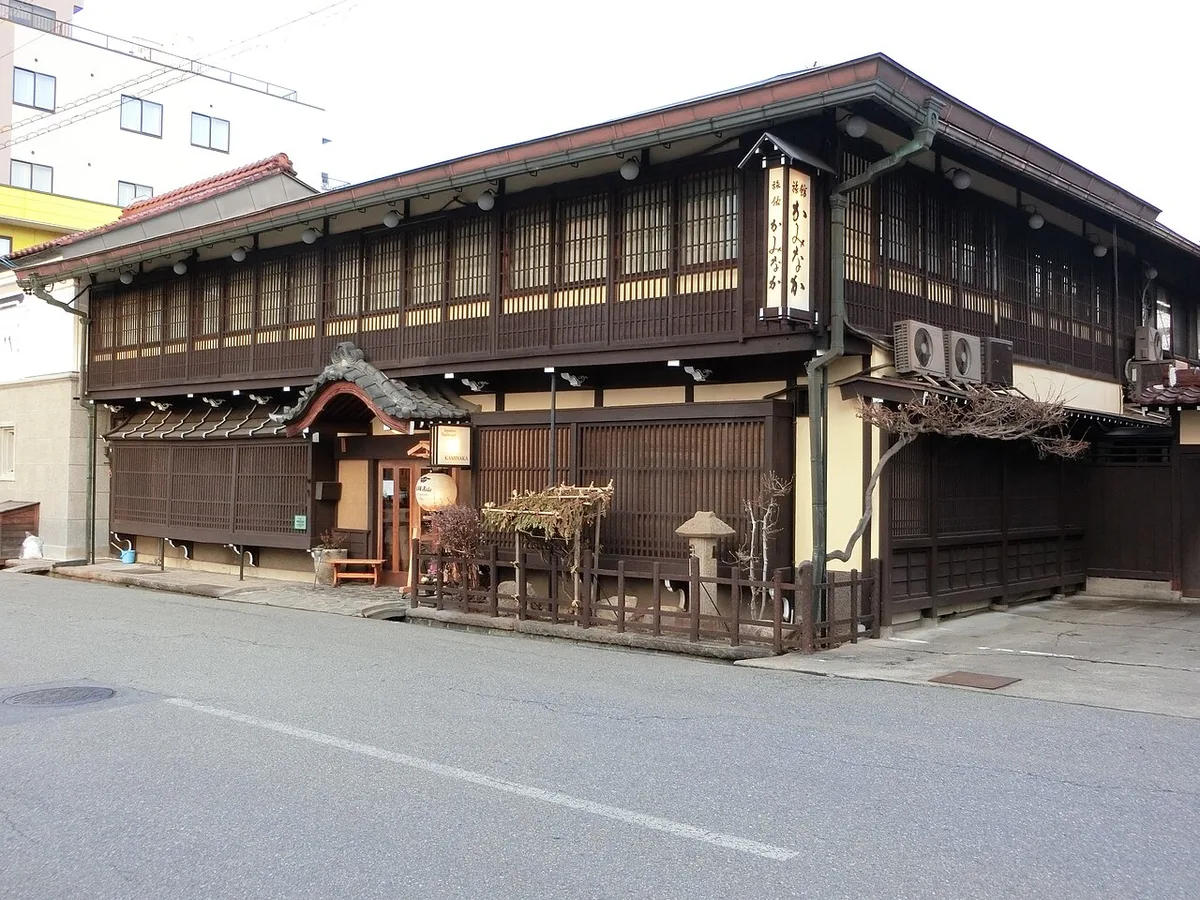

A ryokan is a Japanese inn with tatami rooms, futon bedding and yukata robes, and the price usually includes dinner and breakfast. One or two nights fit most trips. You need it only if you want that traditional stay; skip it if you will arrive late in the evening, need a flexible dinner time, or have dietary needs the inn cannot confirm in advance.
Key facts
- Time: one night. Check-in usually starts at 15:00 or 16:00.[3],[4]
- Cost: priced per person, not per room, in most ryokan.[1],[2]
- Usually included: dinner and breakfast.[1],[2]
- Have ready: your arrival time and any dietary needs.
- Where: direct with the inn, through the Japan Ryokan & Hotel Association member search, or on a booking site.[12]
Before you book
- Number of guests and the age of each child
- Meal plan: dinner and breakfast, breakfast only, or room only
- Your arrival time compared with the dinner time
- A private bath, if you have tattoos or are travelling as a family
- Allergies or dietary restrictions, sent in advance
- The cancellation policy
- Whether you need a bed rather than a futon
How does a ryokan stay work, step by step?
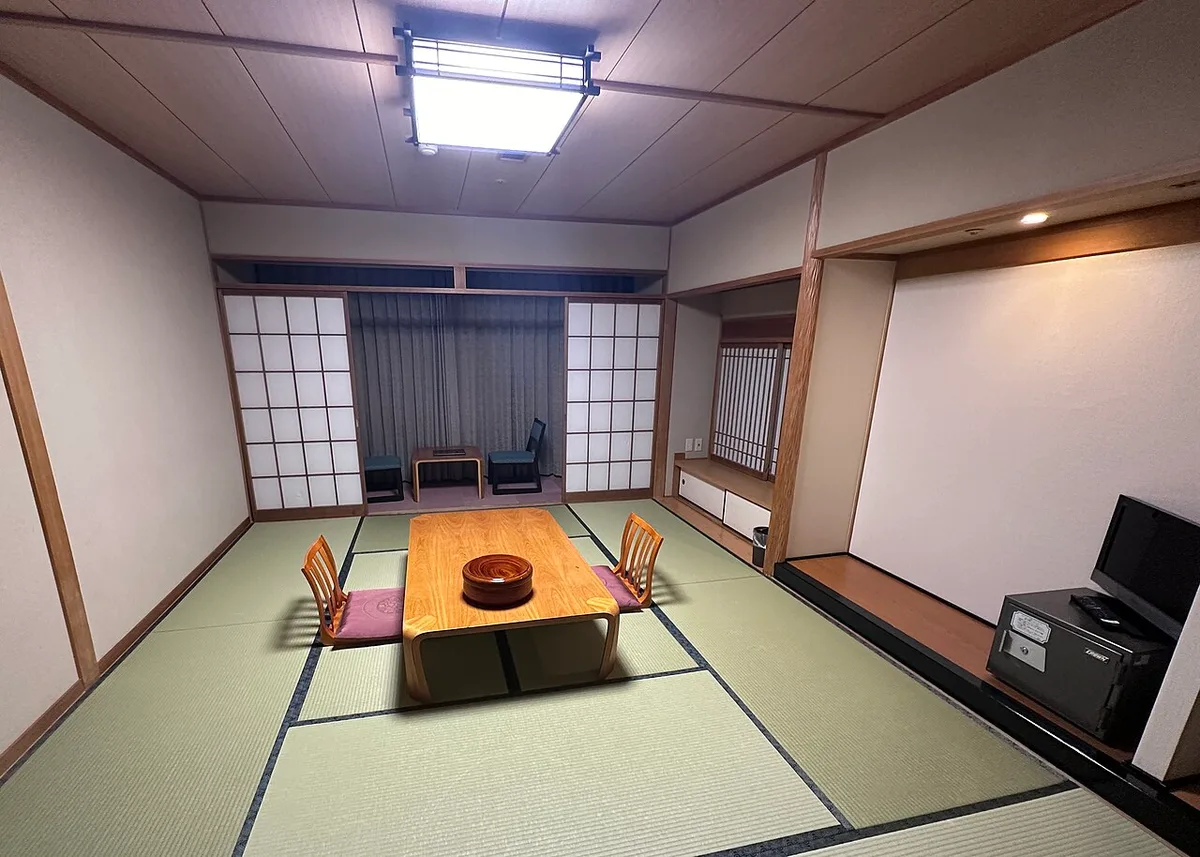

Bathe before dinner
The communal bath typically needs no reservation. A private bath reserved for a set time is booked with staff when you arrive.[8],[9] For washing before you enter and other bath rules, see the onsen etiquette guide.
Check the curfew if you go out
Most ryokan have a curfew, for example midnight, after which you cannot go in or out. Some have no curfew, keep staff at the front desk, or give you a key.[6]
For other house rules, see the guide to Japanese etiquette.
What does the price include?
Most ryokan quote a price per person. Some now charge per room, with a fee for each guest beyond the room’s capacity.[1],[2]

Children are priced by age. Some inns charge a reduced child fee, perhaps 50% or 70%, and it is common to pay the full fee for children 12 and over.[1],[2] Enter the exact number and ages of children when you book.
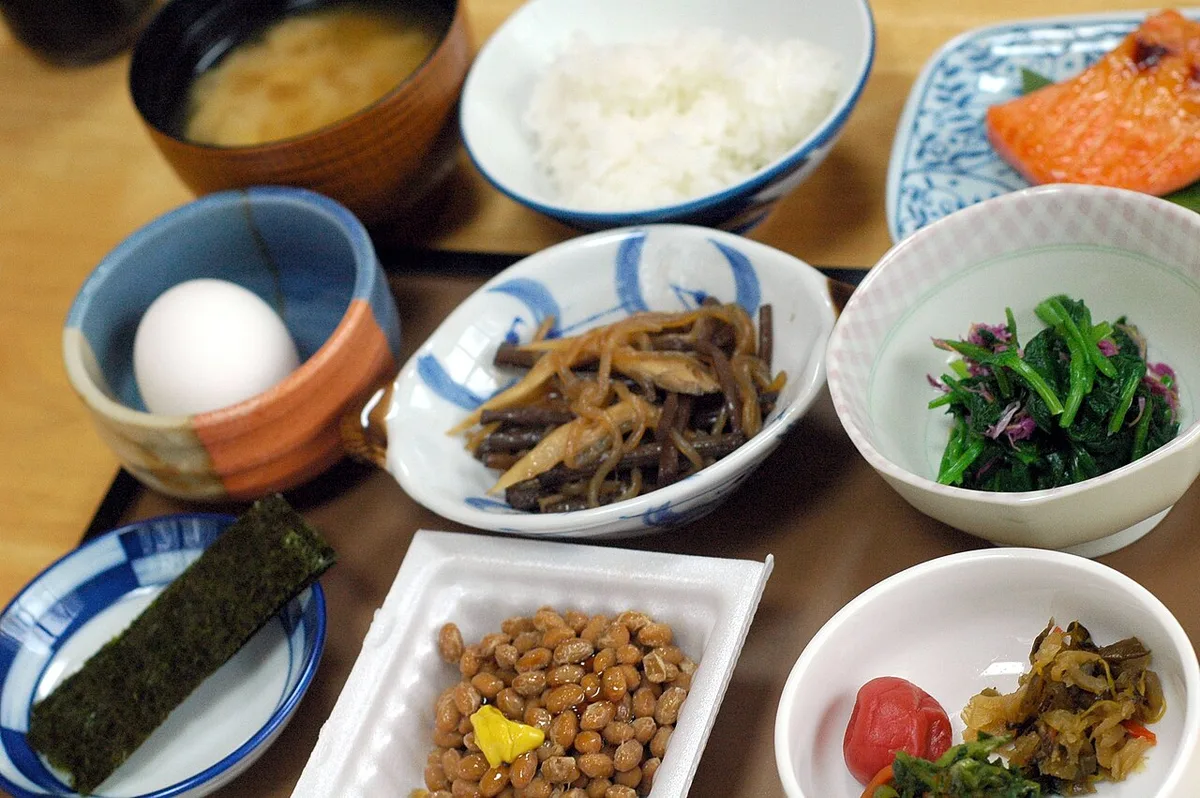
The standard plan includes dinner and breakfast. More inns also sell breakfast-only plans and “simple stay” plans without meals.[1],[2]
At an onsen ryokan you also pay the bathing tax. The municipality levies it, at a standard rate of ¥150 per person per day, and the inn collects it.[13] Check the city’s own website for any accommodation tax as well.
How do I choose a ryokan?
Decide first between an onsen ryokan in a hot-spring town and a ryokan in a city. In a city such as Kyoto, the area you stay in matters as much as the type of room.
If your route includes the Hida region, the Takayama guide covers what to see around a one-night stay.
For a stop on the Hokuriku coast, the Kanazawa guide covers what to see before you check in.
If you are choosing which part of Kanazawa to stay in, the where-to-stay guide for Kanazawa compares the station area, Korinbo–Katamachi and Higashi Chaya.
For a hot-spring town within reach of Kanazawa, the Kaga Onsen guide compares the towns and where to stay.
For an onsen town in southern Hokkaido, the Hakodate guide covers the Yunokawa Onsen district.
For an onsen night near the snow monkeys in Nagano, where to stay for the Snow Monkey Park compares Shibu Onsen, Yudanaka and the other bases.
For a lamp-lit onsen street in Yamagata, the Ginzan Onsen guide covers whether to stay the night and how to get there.
If anyone in your group has tattoos, look for an inn with private baths. Tattoo policies differ widely between ryokan, and guests with tattoos can use the private baths in guest rooms or reserved for a set time.[8],[9]
If you have allergies or follow a vegetarian, vegan or religious diet, write to the inn at least a few days before. Not every ryokan can meet every request.[7]
Where should I book?
Booking direct with the inn lets you ask about meals, baths and arrival time in one message. The Japan Ryokan & Hotel Association’s English site lists only member inns and searches them by area and by price per person.[12] Booking sites also list ryokan; check whether the price shown is per person and which meals it includes.
If you pay on a booking site in advance, you are not asked to pay again at the ryokan.[1]
Frequently asked questions
Can I use the communal bath with a tattoo?
Do I need to reserve the bath?
Can a ryokan serve vegetarian or halal meals?
Some can. Ask at least a few days before your stay, because not every ryokan can meet every request.[7]
Can I stay with a baby or young child?
When do I pay?
It depends on the inn or the booking site: at check-out, in advance, or either.[1]
How do I send my suitcase ahead to the next inn?
Ask the front desk the day before you leave whether it can arrange delivery to your next inn.
Sources
- Questions for Ryokan? Pricing (Japan Tourism Agency) (checked )
- 旅館Q&A 料金(観光庁) (checked )
- Questions for Ryokan? Check-in and access (Japan Tourism Agency) (checked )
- 旅館Q&A チェックイン・アクセス(観光庁) (checked )
- Questions for Ryokan? Rooms and facilities (Japan Tourism Agency) (checked )
- Questions for Ryokan? Curfew (Japan Tourism Agency) (checked )
- Questions for Ryokan? Meals (Japan Tourism Agency) (checked )
- Questions for Ryokan? Communal bath (Japan Tourism Agency) (checked )
- 旅館Q&A 大浴場(観光庁) (checked )
- Japanese Ryokan Guide (JNTO) (checked )
- Japanese manners and etiquette (JNTO) (checked )
- Japan Ryokan & Hotel Association — English member search (checked )
- 入湯税 (Ministry of Internal Affairs and Communications) (checked )