
Shinhotaka Ropeway from Takayama: Worth It? ¥3,800 (2026)
Worth it on a clear day: 100 minutes by bus from Takayama, a ¥3,800 round trip to 2,156 m, last bus back at 16:55, and Kamikochi the same day until Nov 15.
Every figure is checked against the sources listed below. See sources
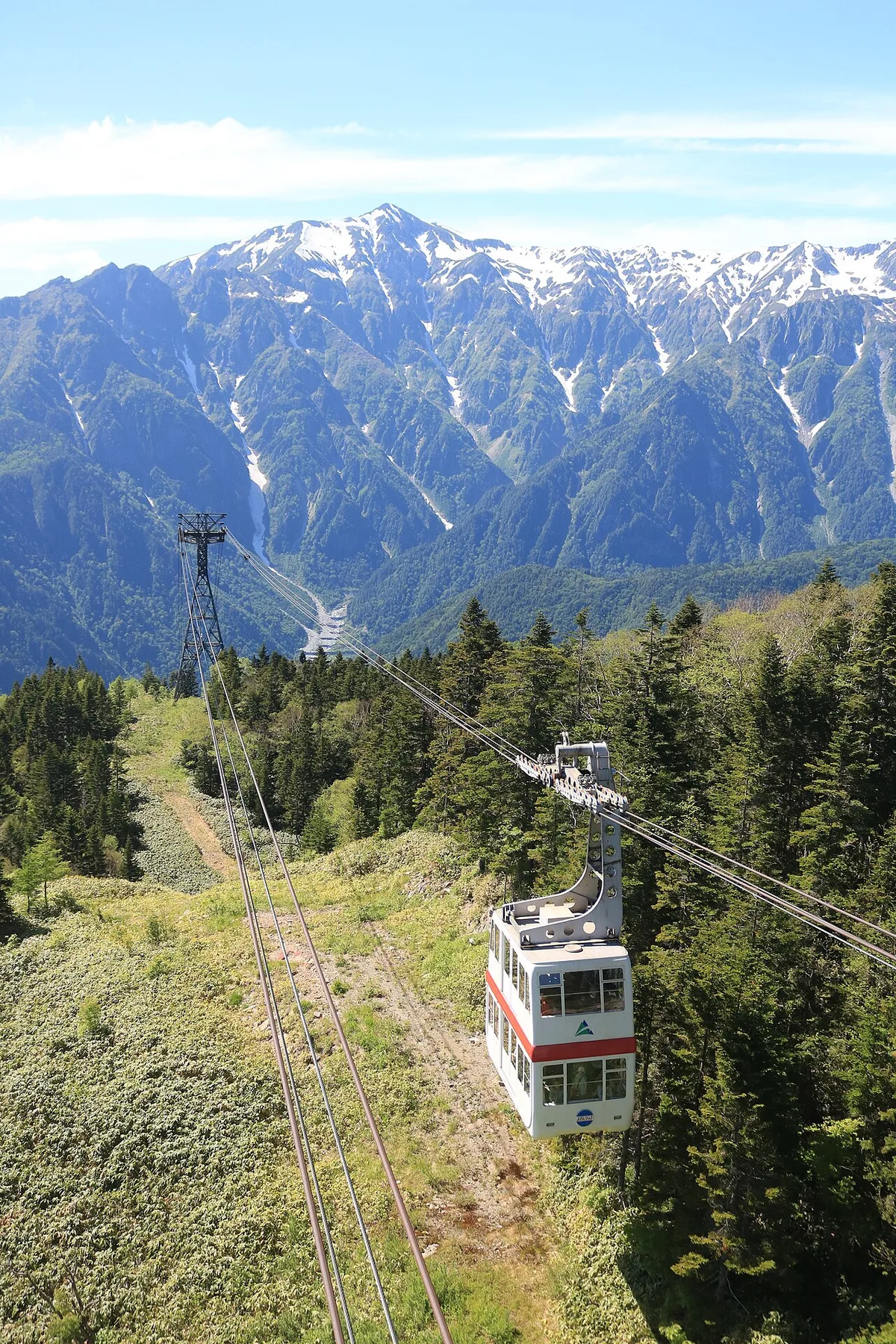

Yes, on a clear day. The Shinhotaka Ropeway (新穂高ロープウェイ) lifts you from the Okuhida (奥飛騨) onsen valley to an observation deck at 2,156 m, with a 360-degree view of the Northern Alps.[4] From Takayama it is a half-day trip by bus. It suits you if you have a spare day in Takayama and the forecast for the mountains is clear. Skip it if the summits are in cloud, or if you have only one day in Takayama: the view is the whole point, and the bus ride alone takes most of a morning.
Key facts
- Worth it for: a clear day and a spare half day in Takayama; not in thick cloud.
- Bus from Takayama: 100 minutes to the ropeway.[2] Last bus back leaves at 16:55.[14],[10]
- Ropeway round trip: ¥3,800 for adults, ¥1,900 for children.[1],[2]
- Bus and ropeway together: ¥7,700 with the Okuhida All-in-One Value Ticket.[1],[13]
- Open year-round, but stopped in strong wind or bad weather.[1],[3]
- Kamikochi the same day: possible while its bus line runs, until November 15, 2026.[14]
What will I see at the top?
The ride comes in two parts. The No. 1 Ropeway climbs from Shinhotaka Onsen Station to Nabedaira Kogen Station; you then walk to Shirakabadaira Station and board the No. 2 Ropeway up to Nishihotakaguchi Station.[1] The second leg uses Japan’s only double-decker gondola.[5] One way over both ropeways takes 25 minutes.[2]
At the top, Nishihotakaguchi (西穂高口) Station has a rooftop observation deck at 2,156 m. The view takes in Mount Nishihotaka, Mount Yari and Mount Kasagatake, and the Michelin Green Guide Japan gives it two stars.[4] Mid-October is the usual peak for autumn colors on the slopes below the ropeway, according to the operator.[7] In winter, the same peaks are under snow. For foliage timing elsewhere, see the autumn leaves guide.
Plan on about two hours at the top in addition to the ride. That is what Nohi Bus allows in its suggested day: you reach the deck at 14:00 and still catch the last bus.[14]
How much does it cost and when does it run?
Places
Shinhotaka Ropeway
- Hours
- Open year-round. First and last departures up from Shinhotaka Onsen Station: 8:30 and 16:00 from April 1 to November 30, 9:00 and 15:30 from December 1 to March 31; last car down from Nishihotakaguchi Station 16:45 (16:15 in winter). No. 1 Ropeway leaves on the hour and half hour, No. 2 Ropeway at 15 and 45 minutes past
- Fee
- ¥3,800Round trip over both ropeways (Shinhotaka Onsen Station to Nishihotakaguchi Station): adults 3,800 yen, children (elementary school) 1,900 yen; preschool children ride free with an adult
- Closed On
- No regular closing day; closed for inspection once or twice a year, and suspended in adverse weather or strong winds
- Nearest Station
- Shinhotaka Ropeway bus stop (Nohi Bus from Takayama Nohi Bus Center, 100 minutes; from Hirayu Onsen, 40 minutes)
- Time Needed
- Half a day from Takayama (bus about 100 minutes each way, 25 minutes on the ropeways each way, plus time at the top)
A round trip over both ropeways costs ¥3,800 for adults and ¥1,900 for children.[1],[2] The child fare covers elementary school students; from junior high school you pay the adult fare, and preschool children ride free with an adult.[1]
The No. 1 Ropeway leaves on the hour and at half past; the No. 2 Ropeway at 15 and 45 minutes past the hour.[1] The operator’s pamphlet lists the season’s first and last cars. From April 1 to November 30 the first car up leaves Shinhotaka Onsen Station at 8:30 (8:00 in August and on Saturdays, Sundays and holidays in October) and the last at 16:00, and the last car down leaves the top at 16:45. From December 1 to March 31 the times are 9:00, 15:30 and 16:15.[2]
On busy days, a Priority Boarding ticket shortens the wait on the way up. It costs ¥300 per person on top of your ropeway ticket. A limited number are sold online in advance, and the rest on the day at Shinhotaka Onsen and Shirakabadaira stations.[1]
Is the bus and ropeway set ticket cheaper?
Yes, by a little, and it saves buying tickets twice. Nohi Bus charges ¥2,200 one way from Takayama Bus Terminal to Shinhotaka Ropeway.[11],[12] The Okuhida All-in-One Value Ticket (奥飛騨まるごとバリューきっぷ) bundles two days of unlimited Nohi Bus rides between Takayama and the ropeway with one ropeway round trip. It costs ¥7,700 for adults and ¥3,850 for children, and you buy it at Takayama Nohi Bus Center.[1],[13]
| Adult, from Takayama | Bus | Ropeway | Total |
|---|---|---|---|
| Single tickets | ¥2,200 each way | ¥3,800 round trip | ¥8,200 |
| Okuhida All-in-One Value Ticket | included | included | ¥7,700 |
With single tickets, the total comes to ¥8,200, so the set ticket saves ¥500.[11],[12],[1],[13] The two days of bus rides also cover a stop at Hirayu Onsen on the way back.
How do I get there from Takayama?
Take the Nohi Bus from Takayama Nohi Bus Center. The operator gives the trip as 100 minutes to the ropeway, or 40 minutes from Hirayu Onsen (平湯温泉).[2]
Work backwards from the last bus. The last bus from Shinhotaka Ropeway that gets you to Takayama leaves at 16:55 and reaches Takayama Nohi Bus Center at 18:31.[14],[10] If you are coming to Takayama from Nagoya first, the Nagoya to Takayama guide compares the train and the highway bus.
Can I drive there?
Yes. Shinhotaka Onsen Parking, a 2 to 5 minute walk from the No. 1 Ropeway station, has about 160 spaces and charges ¥800 per 6 hours for a car. The Nabedaira Kogen car park closes during the snow season, from early November to late April.[8]
In winter, the area gets heavy snow, typically from mid-November to early April, and snow tires are required.[3] For licences and road rules, see the guide to driving in Japan.
What if the weather is bad?
Check before you leave Takayama. The ropeway can stop in strong winds even when the sky looks fine, and its website shows the current status of both ropeways and a live camera from the mountain.[3],[6] It is also closed for inspection once or twice a year.[1],[3] If the camera shows cloud at the top, the deck will show you cloud too.
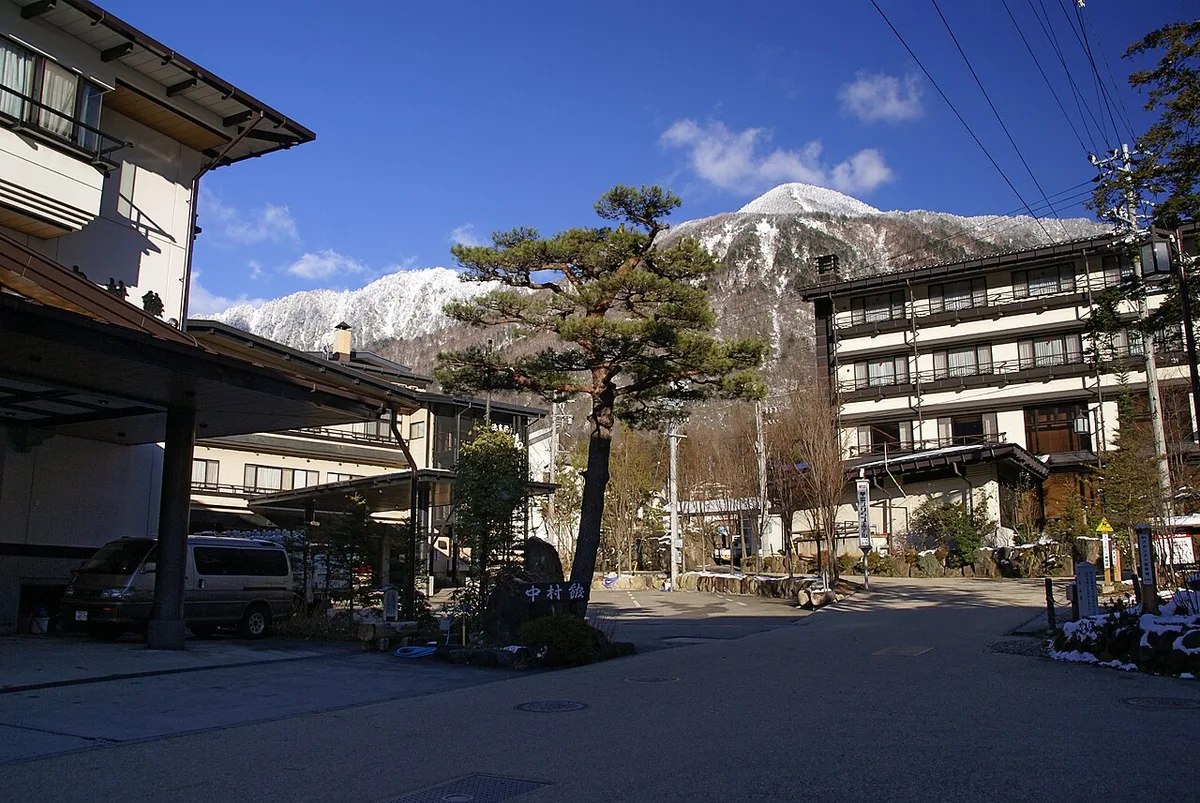

On a cloudy day, Hirayu Onsen on the same bus route is a better use of the trip. Hirayu no Mori, a hot spring at the foot of Mt. Norikura, has 16 open-air baths, and holders of the value ticket get ¥100 off admission.[1] For which onsen village to stay in overnight, see where to stay in Takayama, which compares the town with Okuhida.
How cold is it at the top?
Cold from November, and well below freezing in midwinter. The operator’s average temperatures at the observation deck are 4°C (maximum) and 1°C (minimum) in November, −3°C and −7°C in December, and −7°C and −10°C in January.[3] From November, bring a warm jacket, gloves and shoes with grip even for a short visit.
Can I add Kamikochi the same day?
Yes, until November 15, 2026, when Nohi Bus ends this season’s Kamikochi (上高地) line.[14] Kamikochi is reached by changing buses at Hirayu Onsen. Nohi Bus suggests this order:[14]
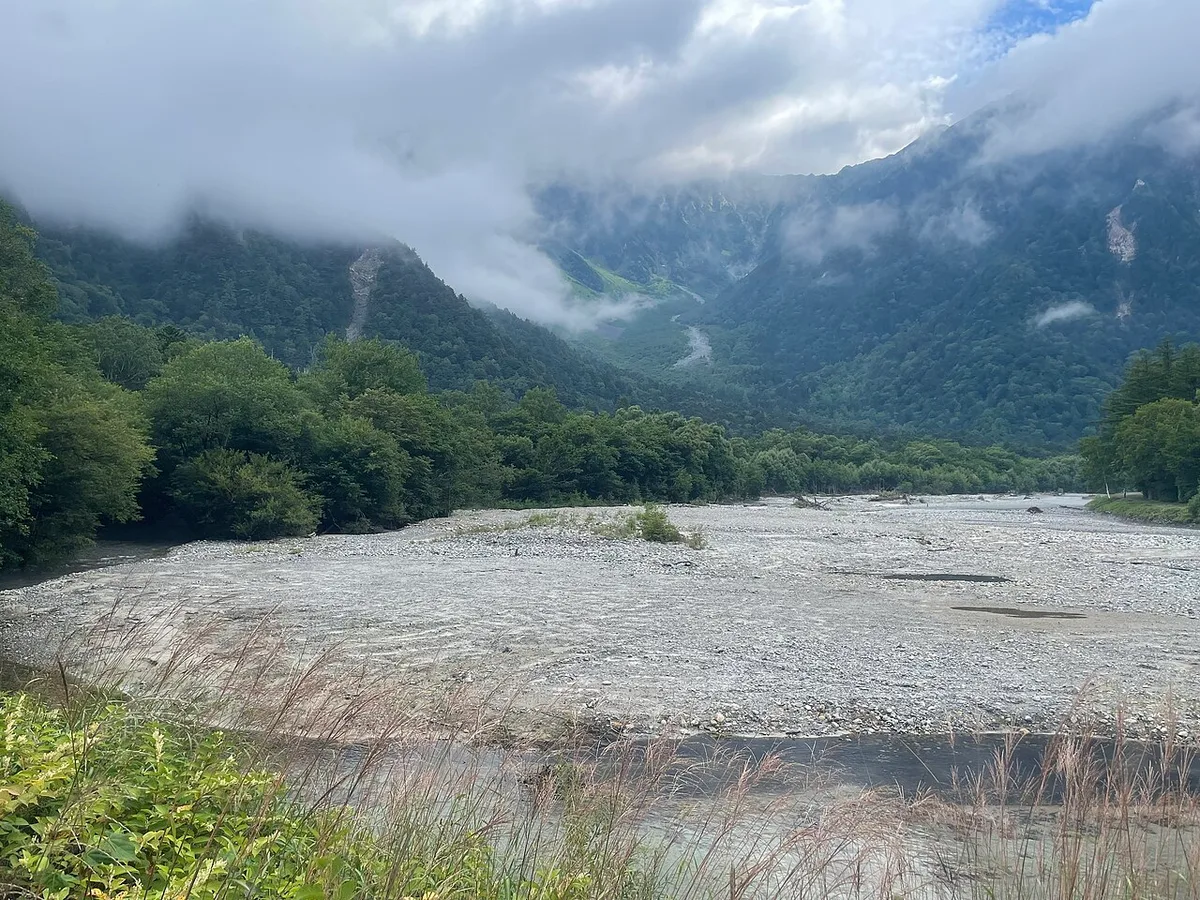

Takayama to Hirayu Onsen7:00
Take the 7:00 bus from Takayama Nohi Bus Center to Hirayu Onsen.
Hirayu Onsen to Kamikochi8:30
Change to the Kamikochi bus at Hirayu.
Kamikochi back to Hirayu Onsen10:30
Spend the morning in Kamikochi, then ride back to Hirayu for lunch.
Hirayu Onsen to Shinhotaka Ropeway12:40
The bus arrives at the ropeway around 13:16, and you reach the observation deck at 14:00.
It is a long day with little slack. From November 16, Kamikochi is off the table, and the ropeway is a day trip on its own.
Shinhotaka or Shirakawa-go with one free day?
Choose by the forecast. The ropeway is about the view, so it is worth the bus only when the peaks are clear. Shirakawa-go is the better choice on a cloudy or rainy day, because its old village does not depend on a view of the peaks. The Takayama guide covers the Shirakawa-go bus and fits either trip into your stay.
If you want to stop in Shirakawa-go with your suitcase on the way out of Takayama, the Shirakawa-go luggage guide explains the bus trunk and the lockers.
If Kanazawa is your base instead, the Shirakawa-go day trip from Kanazawa covers the buses from that side.
Tips
FAQ
Frequently asked questions
Do children pay the full fare?
No. Elementary school students pay ¥1,900 for the round trip, and preschool children ride free with an adult.[1]
Can I take my suitcase on the ropeway?
Only with an extra ticket. Items over 6 kg need a baggage ticket, ¥1,000 for a round trip, and skis, snowboards and ice axes without covered tips are not allowed on board.[1] It is easier to leave large bags in Takayama before you go.
Can I bring my dog?
Only in season and on the No. 2 Ropeway. The operator’s dog service runs from July 1 to October 25, 2026, for dogs up to 15 kg, at ¥1,800 for a dog’s round trip; the owner’s ticket includes priority boarding.[9]
Is it open in December and January?
Should I stay overnight in Okuhida instead?
It removes the pressure of the last bus back to Takayama, and Hirayu Onsen is on the same bus route as the ropeway. The stay guide linked in the weather section compares the onsen villages with a base in town.
Sources
- Business Information — hours, fares and set tickets (Shinhotaka Ropeway) (checked )
- Shinhotaka Ropeway pamphlet (English, PDF) (checked )
- Frequently Asked Questions (Shinhotaka Ropeway) (checked )
- Facility Information (Shinhotaka Ropeway) (checked )
- About Shinhotaka Ropeway (checked )
- Shinhotaka Ropeway — top page (English) (checked )
- View — the seasons (Shinhotaka Ropeway) (checked )
- Access / Parking (Shinhotaka Ropeway) (checked )
- For Guests Traveling with Dogs (Shinhotaka Ropeway) (checked )
- Nohi Bus — Hirayu–Shinhotaka line timetable from April 1, 2026 (Japanese PDF) (checked )
- Nohi Bus — Hirayu–Shinhotaka line fare table (Japanese PDF) (checked )
- From Takayama/Hirayu Onsen to Shinhotaka Ropeway (Nohi Bus) (checked )
- Nohi Bus — Set-ticket price revision from April 1, 2026 (Japanese) (checked )
- Experience Both! Kamikochi & Shinhotaka Ropeway (Nohi Bus) (checked )